
Nine times out of ten a Floyd that won't stay in tune is not broken — it's out of balance. The bridge should sit parallel to the body; if it's tipped, spring tension and string tension aren't matched and every other symptom follows from that. Fix the bridge angle at the spring claw, tune low to high repeatedly until a full pass changes nothing, and keep the fine tuners centred before you lock the nut. The one thing a setup can't fix is worn knife edges — that's a hardware replacement.
- Most common causeBridge angle
- Where you fix itSpring claw
- Can't be fixedWorn knife edges
- Before you buyPost spacing
A Floyd Rose is the most misunderstood piece of hardware on an electric guitar. It isn't temperamental — it's a balanced system, and almost every "my Floyd won't stay in tune" complaint traces back to a handful of causes. Here they are in the order we actually see them on the bench. If you're replacing rather than adjusting, start with the fitment guide instead.
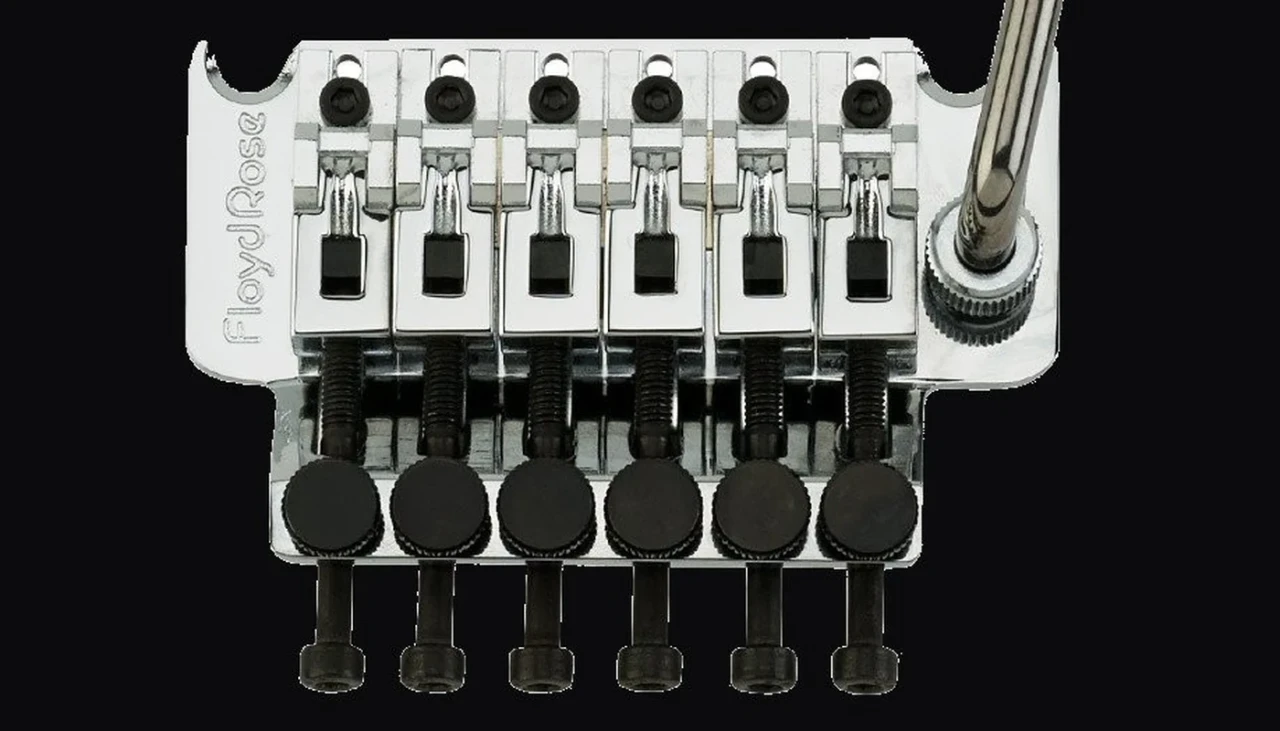
1. The bridge isn't level — everything else is a symptom
A floating trem should sit parallel to the body. Back edge tipped up means the springs are too weak for the string tension. Tipped down into the cavity means too strong. Every problem you're chasing — going sharp after a bend, the low E pulling the whole guitar out — starts here.
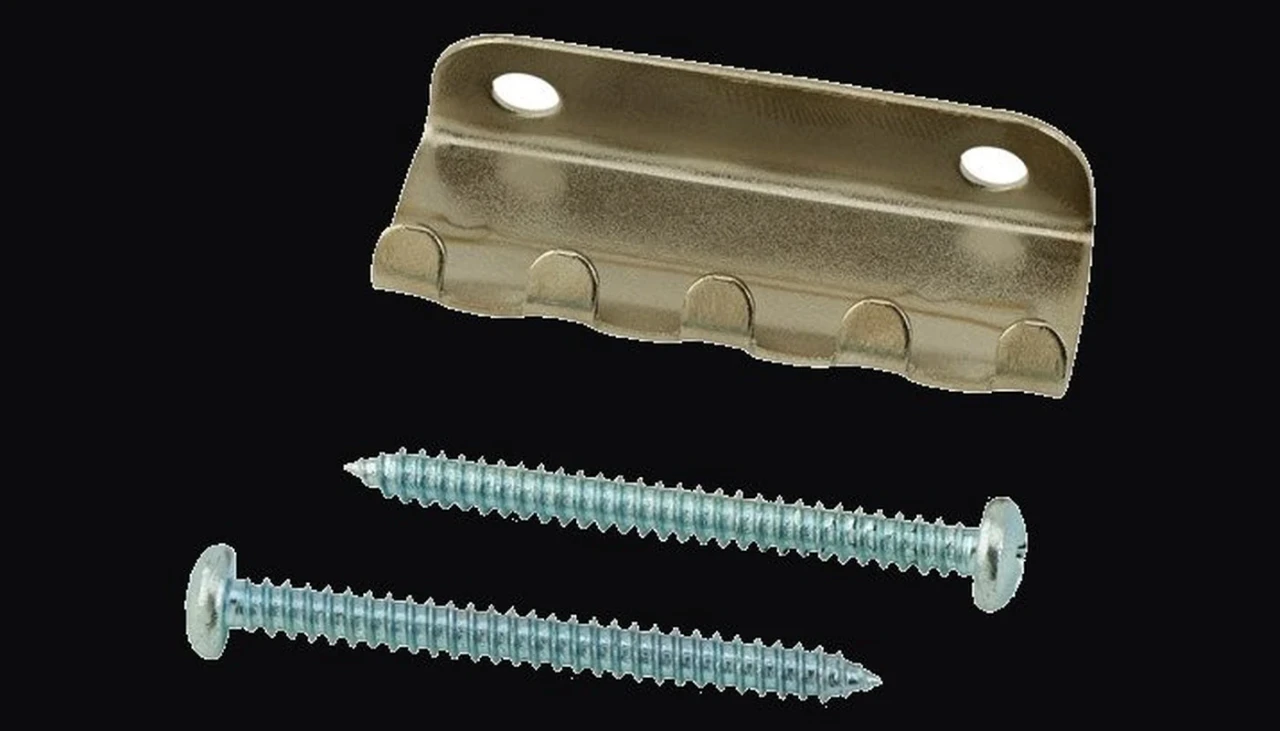
Fix it at the spring claw, not the tuners. Tighten the claw screws to pull the bridge down, loosen to let it rise. Retune after every adjustment, because changing spring tension changes pitch, which changes string tension, which moves the bridge again. Three or four passes is normal. There is no shortcut.
2. You're tuning in the wrong order
On a floating bridge every string fights the others. Tune low to high, then start again, and keep going until a full pass changes nothing. Most people stop after one lap and blame the hardware.
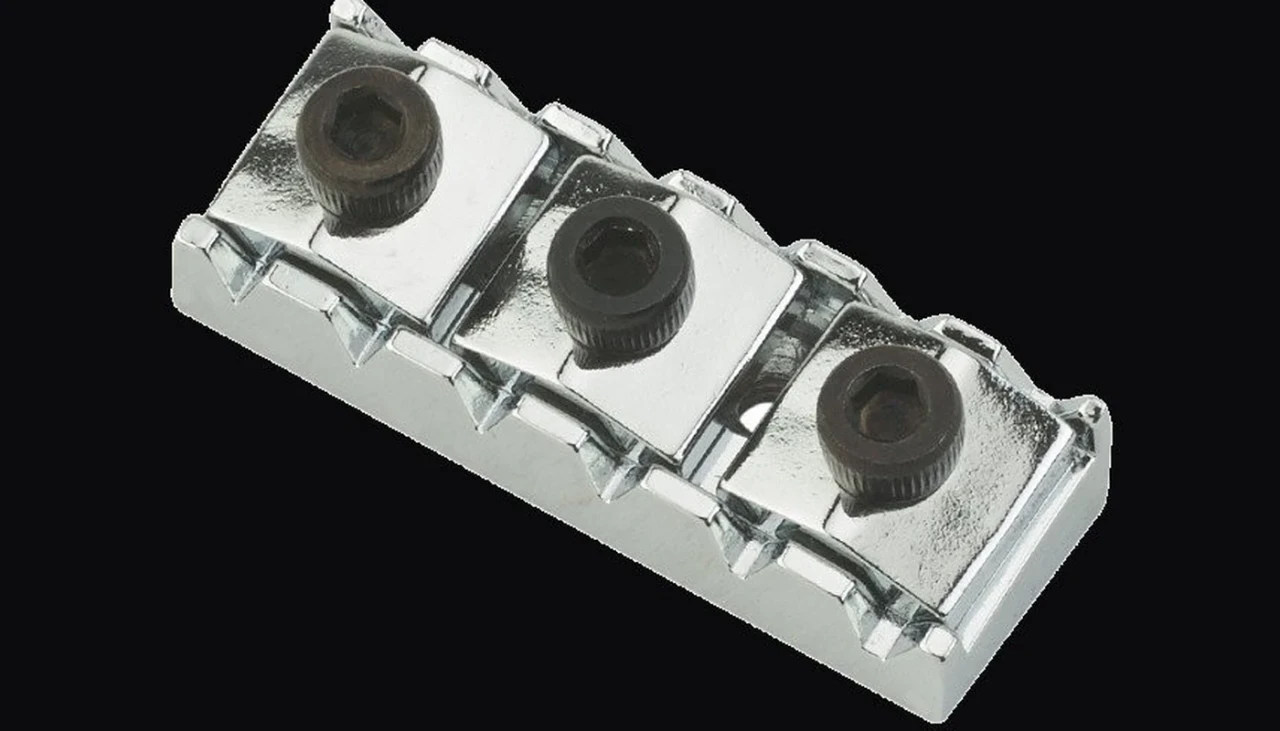
3. The locking nut is doing damage you can't see
Clamps should be firm, not gorilla-tight. Over-torqued pads crush the strings where they clamp and they snap there later, usually mid-set. They also throw the guitar sharp the moment you lock — which is why you tune, lock, then correct with the fine tuners, never the reverse.
If your fine tuners are already bottomed out before you start, unlock the nut, retune at the machine heads with the fine tuners centred, and lock again. Centred fine tuners are what give you room to correct on stage.
4. Knife edges wear out, and no setup will save them
The bridge pivots on two hardened edges against two posts. On a well-made trem they stay sharp for years. On a cheap licensed unit they round off — and once they do, the bridge cannot return to the same place twice. You'll see it as a guitar that comes back close to pitch after a dive but never exactly.
You can't file this back. It's a bridge replacement, or at minimum new posts and inserts. Anyone telling you a setup fixes rounded knife edges is guessing.
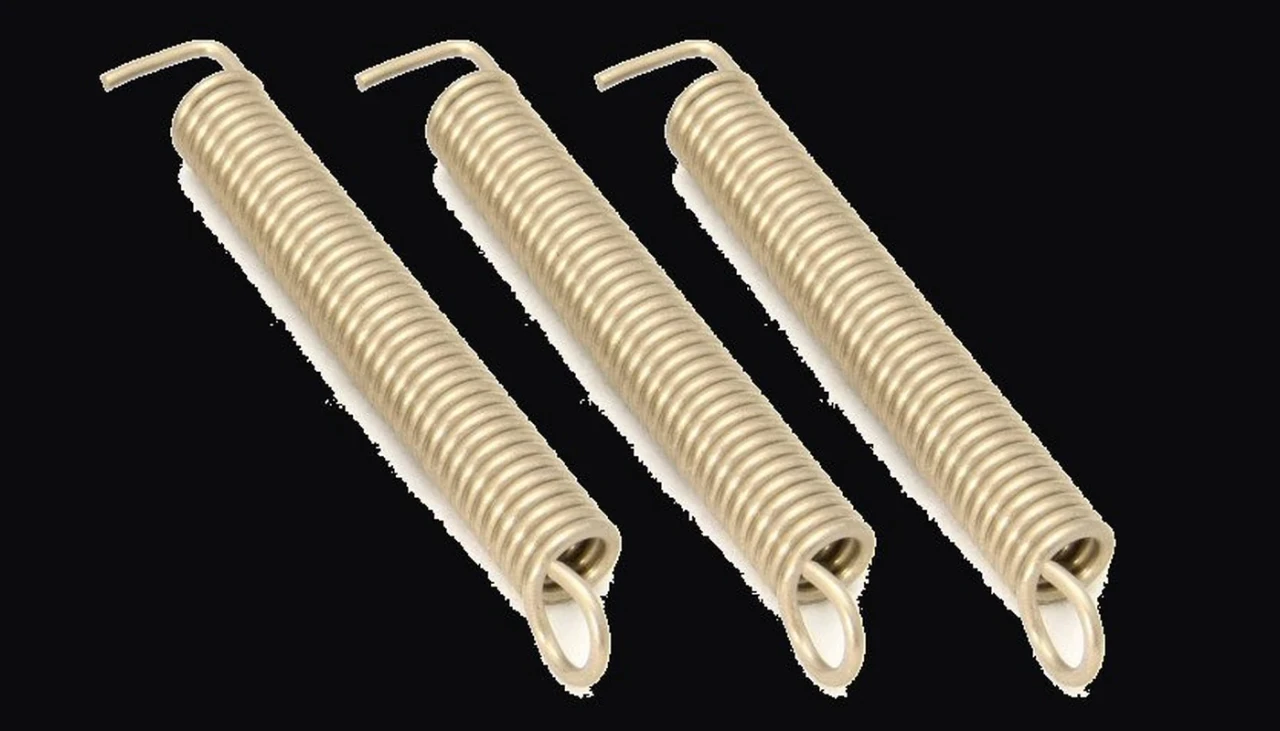
5. Springs are the cheapest fix nobody tries
Old springs lose tension unevenly. If you're running three and constantly re-balancing, a fresh set costs almost nothing and solves more than it should. Straight-mount for a stiffer feel, angled for looser — and the number of springs should match your string gauge and tuning.
6. Changing gauge or tuning means a re-setup. Every time.
Going from .009s to .010s, or standard to drop C, changes total string pull. Bridge angle changes, balance changes, intonation changes. That isn't the guitar being difficult — that's a balanced system behaving exactly as designed.
When it's a parts problem, not a setup problem
| Symptom | Usual cause | Fix |
|---|---|---|
| Won't hold a dive | Knife edges or posts | Bridge or post replacement |
| Buzzes only at the nut | Nut height or radius | Shims, or correct-radius nut |
| Arm flops or won't stay | Arm collar / bushing | Cheap part swap |
| Saddles slip under bends | Chewed saddle block or insert | Saddle set |
| Fine tuners bottomed out | Tuned before locking | Re-centre and re-lock |
FAQ
Can I just tighten the springs until it sits flat?
You can, but tightening past balance pulls the bridge into the body and kills the up-bend. Level and balanced is the target, not just level.
How many springs should I run?
Three suits most 9s and 10s in standard. Heavier gauges or lower tunings usually want four. If you're constantly re-balancing, that's the signal.
Why does it go sharp when I lock the nut?
Clamping stretches the string slightly behind the nut. That's normal — correct it with the fine tuners, which is what they exist for.
Is a licensed Floyd worth it?
For a first guitar, yes. The difference shows up in years, not weeks: softer alloys round off at the knife edges and the trem stops returning to pitch.
Will a new bridge fit my guitar?
Only if post spacing, stud diameter and block depth match. Send us the brand, model and year and we'll confirm before you order — see the fitment guide.
Need the part, not the lecture?
Shop Tremolo Systems